

Fuel, Chemicals & Oil
Aggressive media punish the wrong choice of material slowly and then all at once. The decision on this page is therefore not which vessel is better, but which grade of steel the fluid will tolerate for the life of the installation.
The material decision
Both are stainless steel and both are in our standard range. The difference is molybdenum, and it shows up where chlorides and acids are involved.

Blog
Articles and technical notes from SR-TEK's work in fuel, chemicals & oil.
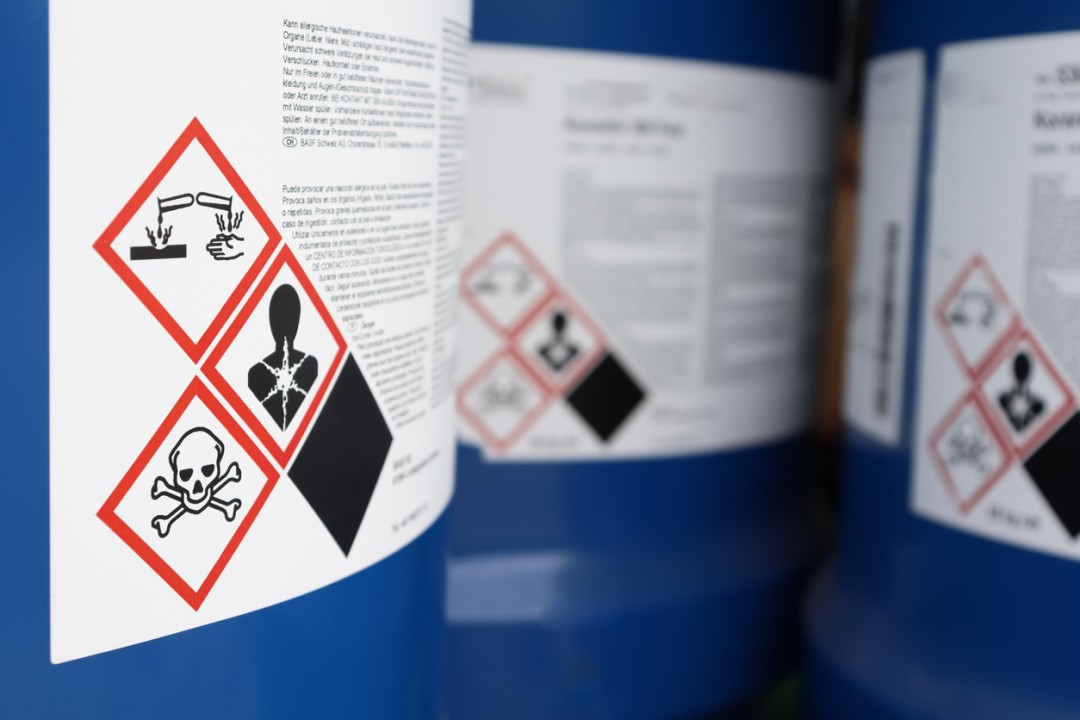
Stainless steel pressure vessels are widely used in various industries due to their ability to withstand high pressure and temperature. However, when choosing a stainless steel pressure…
Read article →Fuel & chemicals FAQ

Fuel & chemicals
ST Series · 316

LT Series · 304
316 stainless steel for anything corrosive — it is the standard grade of the ST Series and handles chlorides and acids better than 304. Where the fluid must not touch steel at all, the vessel takes a PTFE liner or a PTFE-sleeved dip tube. Send us the medium and we will confirm the grade before quoting.
Yes. LT Series vessels have been supplied to customers working in crude oil, and there are case studies on this page covering both that work and drilling-performance testing.
Solvent-based fluids are among the most common things our vessels are built for, including a fully automated four-tank system for a solvent feed. Where the installation sits in a classified area the motor specification matters, so tell us the zone with your enquiry — see also the ATEX question on the agitated vessels page.
The fluid's data sheet answers the material question faster than any conversation about vessels.